Waste Recycling in Rubbish Junk
If you are looking for a practical, local solution for waste recycling in Rubbish Junk, you are probably dealing with a familiar problem: piles of unwanted items, mixed materials, and the question of what can be reused, what should be sorted, and what can be taken away responsibly. Whether you are clearing a flat, tidying a garden, managing a shop refit, or dealing with office waste, a local recycling-focused rubbish removal service can make the whole process easier, faster, and far more convenient.
Residents and businesses in and around Rubbish Junk often need help with more than just simple junk collection. They want a team that understands how to separate recyclable materials, handle awkward access, remove bulky items safely, and support responsible disposal. That is where a service built around waste recycling in Rubbish Junk becomes especially useful. Instead of letting mixed rubbish build up, you can choose a team that sorts, loads, and routes waste toward appropriate recycling and recovery channels wherever possible.
For customers who want a cleaner property, less clutter, and a more efficient way to deal with unwanted items, local support makes a real difference. You can arrange help for one-off clearances, regular business collections, or ad hoc removal after renovations, moving day, or spring cleaning. The goal is simple: reduce what ends up in landfill, save you time, and give you a straightforward service that fits local conditions.
Why Waste Recycling Matters for Local Homes and Businesses
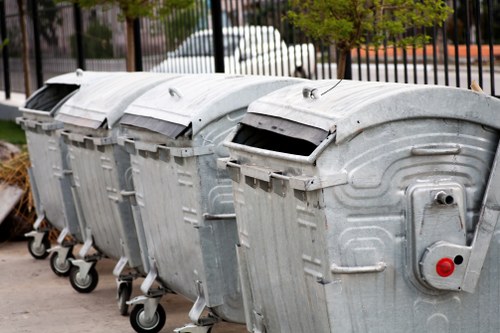
Waste recycling is not only about doing the right thing environmentally; it also helps people manage property space more effectively. In busy local areas, bins fill quickly, refuse areas can become disorganised, and bulky items can block hallways, yards, or back entrances. A recycling-aware rubbish removal service helps households and commercial premises regain control over that space.
For homeowners, this might mean clearing out old furniture, broken appliances, cardboard, garden debris, or renovation offcuts. For landlords and letting agents, it could involve end-of-tenancy clearances where waste needs to be separated from reusable items. For shops, cafés, workshops, and offices, recycling can support routine waste management during refurbishments, stock changes, or seasonal clean-ups.
Local waste recycling in Rubbish Junk is especially valuable when access is tight or time is limited. Terraced streets, shared driveways, upper-floor flats, and busy commercial lanes can make it difficult to move waste safely and efficiently. A local team that already understands these conditions can plan the job properly, avoid unnecessary disruption, and remove your rubbish with less hassle.
What a Local Rubbish Junk Recycling Service Typically Includes

A good rubbish recycling and clearance service should be practical, flexible, and straightforward. Customers usually want to know exactly what happens once the team arrives. While every job is different, the service often includes lifting, sorting, loading, and responsible transport of items to appropriate recycling or disposal facilities.
Depending on the type of waste, the team may separate materials such as metal, wood, cardboard, plastics, green waste, electrical items, and general household rubbish. This sorting process matters because mixed waste is harder to process and often means recyclable materials get lost in the wrong stream. A recycling-focused approach helps recover more of the materials that can be reused or repurposed.
Typical items collected through waste recycling in Rubbish Junk may include:
- Old furniture such as sofas, tables, chairs, wardrobes, and beds
- Appliances and electrical items, where suitable for collection and processing
- Cardboard, packaging, and office paper waste
- Garden waste, branches, soil bags, and hedge trimmings
- DIY and renovation debris, including timber, plasterboard, and offcuts
- Shop waste, stock packaging, shelving, and display materials
- General mixed junk from lofts, garages, sheds, and storage rooms
How the Service Works from Start to Finish
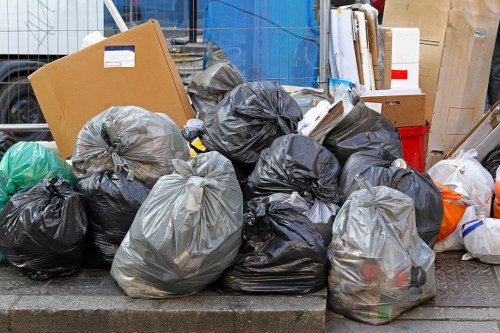
Many local customers prefer rubbish recycling services because they are easier to arrange than hiring a skip, especially when space is limited. The process is usually simple: you describe what needs removing, the team estimates the work based on volume and material type, and a collection time is arranged that suits your property or business hours.
When the crew arrives, they assess the items, confirm any access considerations, and begin loading. In many cases, the customer does not need to move anything outside first. That can be a major advantage for people living in flats, properties with narrow stairs, or homes without direct vehicle access. If there are specific items that require extra care, such as fragile fittings, heavy appliances, or awkwardly shaped furniture, the team can handle them with the right lifting approach.
After collection, the waste is sorted so recyclable materials can be separated from general rubbish. This method supports better waste recycling outcomes and helps reduce unnecessary disposal of materials that still have value. The most efficient local services are those that combine convenience with responsible handling, rather than simply collecting everything and sending it all to the same place.
Local Relevance: Why Customers in Rubbish Junk Benefit from a Nearby Team
Choosing a local company for waste recycling in Rubbish Junk brings several practical advantages. A nearby team is more likely to understand local roads, parking restrictions, loading access, and the kinds of properties common in the area. That can make a noticeable difference on the day of collection, especially if your rubbish is located in a tight courtyard, a basement, a shared alley, or a top-floor apartment.
Local knowledge also helps when jobs need to be completed around busy schedules. If you run a business, you may need clearance before opening hours, after closing time, or during a short operational window. If you are a homeowner, you may be coordinating around school runs, tradespeople, or a move-out deadline. A local waste recycling service can often plan more efficiently than a distant provider unfamiliar with the area.
Another benefit is flexibility. A local team may be better placed to manage one-off collections, partial clearances, repeat pickups, and mixed waste loads without complicated arrangements. This is particularly useful in areas with varied property types, including terraced houses, modern apartment blocks, converted buildings, small commercial units, and workshops.
Common Property Types and Access Challenges

Waste recycling in Rubbish Junk is often needed in properties that are not easy to service with large vehicles or standard collection methods. Different premises bring different access issues, and a good local service should be ready for them. For example, many residential streets have limited parking, shared entrances, or narrow frontages that make it difficult to load waste quickly. In apartment buildings, stairwells and communal halls can create extra care requirements.
Commercial customers may face their own challenges. Shops may have stock rooms that are hard to reach. Offices may need collections arranged outside working hours. Cafés and hospitality venues may have rear-yard access only, or waste stored in compact service areas. Workshops and small industrial units often need a method that allows bulky offcuts, packaging, scrap materials, and broken equipment to be moved without interrupting operations.
These local conditions are exactly why an experienced rubbish recycling team is so useful. Instead of making you figure out transport, loading, and sorting on your own, the service adapts to the building, the access route, and the type of waste involved.
What Can Be Recycled, Recovered, or Responsibly Sorted?
Not all unwanted items are the same, and understanding the difference helps make the service more efficient. Some materials can be recycled directly, some can be broken down into component parts, and others must be handled as general waste. The aim of a quality rubbish recycling service is to recover as much as practical before anything is sent for final disposal.
Examples of waste streams that may be sorted during a collection include metal, timber, cardboard, some plastics, green waste, and certain electrical items. Items in good condition may also be separated from pure waste if they can be reused through appropriate channels. This is especially useful for office furniture, shelving, display fixtures, and domestic items that are no longer needed but are still structurally sound.
Customers often ask whether they need to sort everything in advance. In many cases, they do not. A flexible service can handle mixed loads and separate them on-site or during processing. That said, if you can identify materials ahead of time, it can help the job move faster and may support a more efficient recycling outcome.
Examples of Recyclable or Separatable Items
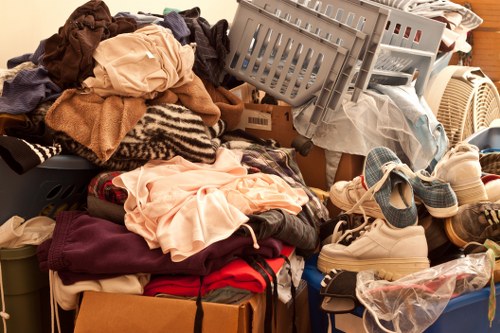
To give you a clearer idea of what may be included, here are some common examples of items that might be recovered or separated during waste recycling in Rubbish Junk:
- Metal bed frames, cabinets, and shelves
- Cardboard boxes and packaging material
- Wooden furniture and timber offcuts
- Garden clippings, branches, and hedge trimmings
- Mixed office paper and files for secure sorting where appropriate
- Old appliances and electrical equipment, subject to collection conditions
- Clean demolition debris and renovation leftovers
When in doubt, ask before collection. It is always better to describe the items accurately so the team can plan loading, estimate the right vehicle capacity, and determine whether any special handling is required.
Residential Waste Recycling Services for Local Households
Households in Rubbish Junk often need help with more than one kind of waste at a time. A garage might be full of broken tools, old paint tins, packaging, and general clutter. A loft may contain years of stored belongings mixed with unusable items. A garden clearance may produce soil bags, branches, lawn trimmings, and damaged outdoor furniture. This is where a home-focused recycling and rubbish removal service becomes particularly valuable.
Homeowners and tenants usually want three things: speed, convenience, and clear handling of the waste. That means the ability to book a collection without spending the whole day sorting or moving heavy objects themselves. It also means having confidence that the rubbish is being processed responsibly and not just dumped into one unsorted pile. A recycling-led service can remove the burden from the household while keeping the process orderly.
Landlords and letting agents also benefit from a reliable local team. End-of-tenancy clearances often need a fast turnaround. There may be leftover furniture, broken blinds, bags of mixed rubbish, or items left in storage cupboards and communal areas. Being able to clear those items efficiently helps prepare the property for cleaning, inspection, or re-letting.
Commercial Waste Recycling Support for Businesses
Commercial customers in Rubbish Junk need a service that is dependable and respectful of day-to-day operations. Retailers, offices, tradespeople, and hospitality businesses often generate different kinds of waste, and those materials can accumulate quickly during busy periods. A recycling-focused collection service gives businesses a simple way to clear space without sacrificing time or disrupting staff.
For shops and offices, that may include old stock, shelving, archive boxes, packing materials, display units, and broken chairs or desks. For construction and refurbishment jobs, waste can involve timber, plasterboard, scrap metal, and mixed renovation debris. For hospitality venues, it may include worn furniture, kitchen-side packaging, and general back-of-house waste that needs to be removed safely.
Commercial customers often value predictable service, practical planning, and a team that can work around access and timing constraints. A nearby rubbish recycling provider can often help with one-off projects or repeated collections, depending on the scale of your operations.
Pricing Factors: What Usually Affects the Quote
Customers often want to know what influences the cost of waste recycling in Rubbish Junk. While exact figures are not fixed in advance without seeing the job, several common factors usually shape the final quote. These include the volume of waste, the weight of the materials, the type of items being removed, and how much labour is needed to move them.
Access is another major factor. A straightforward ground-floor pickup from a driveway is usually easier than carrying bulky items down several flights of stairs or through a long internal route. If parking is limited or the collection point is hard to reach, additional time and effort may be required. Heavy, awkward, or mixed-material loads can also affect the estimate because they may need more careful sorting and handling.
Some materials may require extra processing or special disposal routes, which can influence the cost as well. For that reason, it helps to provide a clear description of what you need removed. Photos, item lists, and details about access can all help the service give a more accurate quote and avoid unnecessary delays on collection day.
Information That Helps When Requesting a Quote
To make the quote process smoother, try to include the following details:
- The type of items you want removed
- Approximate volume or how much space the waste fills
- Whether the items are already outside or still inside the property
- Any stairs, narrow entrances, parking limits, or access restrictions
- Whether the job is residential or commercial
- Any special handling needs, such as fragile fittings or heavy equipment
Clear information helps the team plan efficiently and keeps the service straightforward for you.
Preparing for Collection: A Simple Checklist
One of the advantages of professional rubbish recycling is that customers do not usually need to do much heavy lifting beforehand. Even so, a little preparation can help the collection run more smoothly and reduce the chance of confusion on the day. If you have a few minutes to prepare, the following checklist may be useful.
Start by identifying the items you definitely want removed and separate them from anything you plan to keep. If possible, clear a path so the crew can reach the waste without unnecessary obstacles. In a home setting, that might mean opening gates, moving parked cars if practical, or unlocking access to a garden, basement, or storage area. In a business setting, it could mean notifying staff, reserving loading space, or identifying a contact point for the collection team.
It is also sensible to remove personal items, paperwork, and valuables from the area if the waste includes mixed contents. This is especially relevant for office clearances, landlord jobs, and garage or loft cleanouts. A simple, organised setup helps the collection go faster and makes sorting more efficient.
Why Recycling-Focused Rubbish Removal Is Better Than Leaving Waste to Build Up
When rubbish piles up, it does not just take up space. It can affect how a property feels, how safely people move around it, and how efficiently the room or building is used. Over time, clutter can make cleaning more difficult, attract pests, and create stress for occupants, staff, or customers. Choosing waste recycling in Rubbish Junk is a practical way to address the problem before it becomes more complicated.
There is also a planning advantage. When you schedule a collection, you create a clear endpoint instead of putting the issue off for another month. That can be helpful during life changes such as moving home, finishing renovations, preparing a property for sale or rental, or reorganising a workplace. The sooner waste is cleared, the sooner the space can be used properly again.
Responsible recycling also supports a cleaner local area. When materials are separated correctly and unnecessary waste is reduced, the whole process becomes more efficient. That benefits both individual customers and the wider community.
Areas Covered and Nearby Locations
Customers looking for waste recycling in Rubbish Junk often want a team that covers the surrounding neighbourhoods as well. A local service may typically support nearby residential streets, commercial districts, and mixed-use areas where homes, shops, and workspaces sit close together. This is useful for people who are just outside the centre of Rubbish Junk but still need a prompt, nearby collection.
Nearby areas can include places with similar property types and access challenges, such as apartment clusters, suburban roads, trading estates, and older streets with limited parking. If your property is just beyond the immediate Rubbish Junk area, it is still worth asking whether collection is available. The best local providers are often flexible enough to handle surrounding locations as part of their regular route planning.
For customers managing multiple sites, a local team may also be able to coordinate collections across different premises within the area. That can be useful for property managers, small business owners, and tradespeople who need a consistent, practical solution.
Frequently Asked Questions
Do I need to sort all my waste before collection?
Not usually. Many customers have mixed rubbish, and a good service can separate suitable materials during handling or processing. If you can identify items in advance, it may help the collection run more efficiently.
Can you collect waste from inside a property?
In many cases, yes. This is especially helpful for flats, homes with difficult access, and offices where items are stored indoors. Always describe the layout so the team can plan properly.
What happens to the materials after collection?
The waste is typically sorted so recyclable materials can be separated from general rubbish. Some items may be recovered, while others are sent through the appropriate disposal route depending on the material type.
Is this suitable for business waste as well as household junk?
Yes. Waste recycling in Rubbish Junk can support both residential and commercial customers, including shops, offices, workshops, landlords, and hospitality venues.
Can I book a one-off collection?
Absolutely. Many customers only need help once, such as after a move, clear-out, refurbishment, or garden project. One-off bookings are a common request.
What if I have bulky or awkward items?
That is exactly the kind of job a rubbish removal team can help with. Bulky furniture, heavy appliances, and awkward loads are often easier to manage with professional lifting and loading support.
Why Choose a Local Company for Waste Recycling in Rubbish Junk
A local company can offer a level of practical understanding that matters on collection day. They are more likely to know which roads are tight, where parking is difficult, and how to plan around the realities of local properties. That can reduce stress and help the team complete the job in a smoother, more efficient way.
Local support also makes communication simpler. If your plans change, if the amount of waste turns out to be a little different from expected, or if access needs to be adjusted, a nearby service is often easier to coordinate with. For many customers, that flexibility is one of the main reasons to choose a local rubbish recycling provider rather than a distant alternative.
For both households and businesses, local service means practical service. You get a team that understands the area, handles waste responsibly, and is focused on solving your immediate rubbish problem without unnecessary complication.
Booking Your Waste Recycling Service
If you are ready to reclaim space and deal with unwanted items properly, the next step is simple: request a quote and arrange a collection time that suits you. The more details you provide about the waste, access, and property type, the easier it is to plan the job accurately. You do not need to know every material category in advance; a basic description is often enough to begin.
Whether you are clearing a home, preparing a rental property, managing office clutter, or handling renovation leftovers, waste recycling in Rubbish Junk offers a practical way to move forward. It saves time, reduces strain, and helps ensure the items leaving your property are handled in a responsible way.
Contact us today, request a free quote, or book your service now if you want a straightforward local solution for rubbish collection and recycling support. A clean, usable space is often just one organised collection away.
Final Thoughts for Local Customers
Waste recycling is most effective when it is convenient, reliable, and suited to the realities of the property. That is why a local rubbish junk service can be such a useful option for residents and businesses alike. From mixed household clutter to commercial clearances and awkward access, the right team can simplify the process while keeping recycling in mind.
If you need a service that understands the local area, values responsible handling, and can manage a variety of item types, waste recycling in Rubbish Junk is a smart choice. Book your service now and take the first step toward a clearer, more organised property.