Rubbish Junk: Understanding Clutter, Disposal, and Cleaner Living

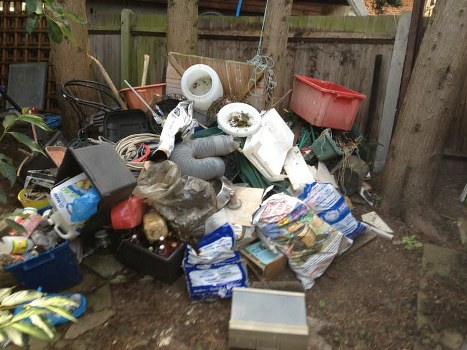
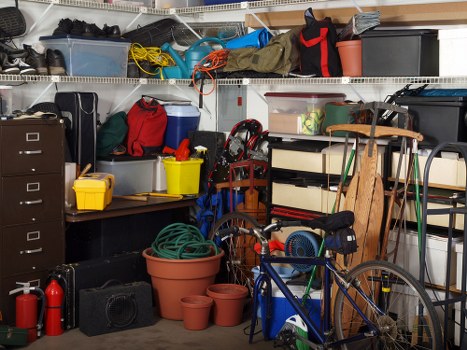
Pile of rubbish junk in a cluttered home settingRubbish junk is a phrase people often use to describe unwanted items, household clutter, broken objects, and general waste that accumulates over time. Although the term may sound casual, the reality behind rubbish junk is serious: it affects living spaces, public health, property value, and even the way communities function. In modern life, where consumption is constant and packaging is everywhere, the amount of rubbish junk produced by homes, businesses, and public spaces continues to rise. Understanding what rubbish junk is, why it builds up, and how people think about it helps make sense of a problem that is both ordinary and widespread.

At its simplest, rubbish junk refers to things that are no longer useful, wanted, or worth keeping. That can include old furniture, worn-out appliances, damaged electronics, broken toys, leftover building material, paper waste, plastic packaging, and all sorts of mixed debris. Some people call it junk, others call it rubbish, trash, waste, or clutter, but the meaning often overlaps. What makes rubbish junk especially challenging is that it is rarely a single category. It is usually a combination of different materials, shapes, sizes, and disposal needs, which is why it can pile up so easily in homes, garages, yards, basements, and storage spaces.

In everyday language, rubbish junk may sound like a minor nuisance, but it often signals larger habits and patterns. A crowded room may reflect a person’s busy life, a family’s reluctance to throw things away, or a culture that encourages constant buying and replacing. In some cases, rubbish junk is tied to emotional attachment; in others, it comes from convenience, laziness, or simply not having enough time to sort and remove things properly. Whatever the reason, rubbish junk can quickly become overwhelming when it is ignored.

What Makes Rubbish Junk Build Up

One reason rubbish junk accumulates is that modern households generate a surprising amount of waste. Every package, delivery box, snack wrapper, broken gadget, outdated garment, and discarded object adds to the total. Even items that are technically reusable often end up as rubbish junk because people do not have the space, energy, or motivation to repurpose them. The result is a steady flow of clutter that enters a space one piece at a time, then grows into a larger problem before anyone notices.

Another common cause is the tendency to keep things “just in case.” A chipped chair, a cracked lamp, a pile of cables, or a box of spare parts may seem useful for future repair, but over time these items often become part of the rubbish junk landscape. The same is true for sentimental objects stored without a clear purpose. When too many items are held onto without regular review, storage areas start to fill up and useful space begins to disappear.

Rubbish junk also appears after life events such as moving house, renovating a property, changing family circumstances, or clearing out an estate. These moments often expose how much unwanted material has been collected over years. Rubbish junk removal in such situations can be physically demanding and emotionally draining because the items involved are not just waste; they often represent memories, old routines, and unfinished decisions.

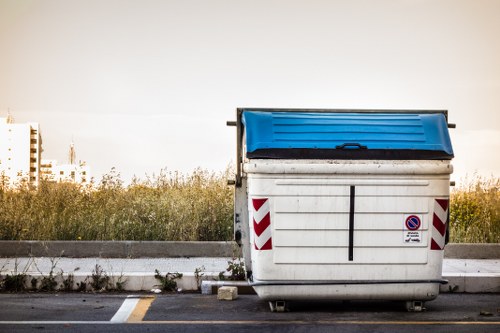
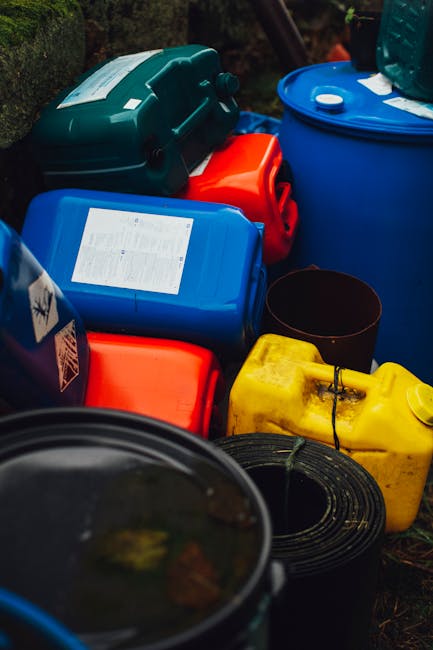
Mixed rubbish junk and household waste in storageThe term rubbish junk may also be used in a broader urban sense to describe dumped materials in alleys, vacant lots, roadside verges, or neglected public areas. In these settings, junk waste is more than a private inconvenience. It can become an environmental and social issue, attracting pests, creating unpleasant smells, and making areas feel unsafe or uncared for. Communities that struggle with rubbish junk often face related problems such as fly-tipping, illegal dumping, and weak waste management habits.

There is also a psychological dimension to rubbish junk. People often underestimate how strongly physical clutter affects mental clarity. A room packed with broken or unused objects can create a sense of tension, distraction, or heaviness. Even if a person is used to the mess, the presence of constant visual clutter may make it harder to relax, focus, or feel in control. This is why many people describe a cleaned-up room as feeling “lighter” or “more open” after the rubbish junk is gone.

For families, rubbish junk can become a shared burden. One person may see value in items that others view as trash, leading to disagreement over what stays and what goes. Children may accumulate toys, school materials, and broken belongings faster than they are removed. Adults may postpone decisions because sorting through junk takes time and energy. In these situations, the issue is not only the volume of rubbish junk, but the way decisions around it are delayed and repeated.

The Different Forms of Rubbish Junk

Rubbish junk comes in many forms, and each form presents different challenges. General household rubbish includes everyday waste such as food packaging, paper, tissues, and disposable items. Bulky junk includes furniture, mattresses, shelves, and large household objects that are difficult to move. Electronic rubbish junk, often called e-waste, includes phones, chargers, computers, televisions, and appliances. Construction rubbish junk may include plaster, timber, tiles, nails, insulation, and scrap materials from repairs or demolitions.

Garden rubbish junk is another common category. This can include branches, leaves, grass cuttings, soil, broken pots, and damaged outdoor furniture. While some of these materials are organic and can be repurposed, they still become rubbish junk when they are mixed together carelessly or left to rot in piles. Yard clutter can make outdoor areas look neglected and may also become a habitat for insects or rodents if not handled properly.

Some rubbish junk is highly visible, while other waste is hidden in cupboards, attics, under beds, in sheds, or in rented storage units. Hidden junk is often the most difficult to deal with because it remains out of sight for long periods. Out of sight does not mean out of mind, however, and many people eventually discover that unseen clutter has quietly taken up valuable space for months or even years.

Why Rubbish Junk Matters More Than People Think

Visible junk and clutter showing safety and space issuesIt is easy to dismiss rubbish junk as a small household problem, but its effects can be broader than expected. Excess clutter can increase fire risk, especially when items block exits, cover electrical areas, or sit near heat sources. Broken objects can cause injuries, while heaps of rubbish can hide sharp edges, pests, or mold. In environments where rubbish junk is left unmanaged, safety and hygiene concerns tend to rise together.

There is also an economic side to rubbish junk. When living spaces are crowded with unusable items, people may buy duplicates because they cannot find what they already own. This leads to unnecessary spending and more waste. In businesses, poor waste control can make storage areas less efficient and create extra costs for cleaning, sorting, and disposal. Even at home, the time spent searching through clutter can become a hidden expense.

Clean and organized spaces support better use of property. A room full of rubbish junk may make a home appear smaller, less attractive, and less functional. For landlords, tenants, and property owners, unmanaged clutter can lower appeal and create problems during inspections, moves, or sales. In that sense, rubbish junk is not merely a visual issue; it can influence how spaces are valued and used.

From an environmental perspective, rubbish junk has a clear footprint. When items are thrown away carelessly or dumped illegally, they often end up in landfills, waterways, or open spaces where they take years to break down. Plastics can persist for decades, metals can corrode slowly, and mixed waste can release harmful substances as it decomposes. The scale of rubbish junk matters because each discarded item contributes to a wider chain of extraction, production, transport, and disposal.

Another important factor is recycling confusion. Many people assume that all rubbish junk can simply be recycled, but this is not always true. Some items are contaminated, mixed, damaged, or made from materials that are difficult to process. When rubbish junk is not sorted carefully, recyclable materials may be lost and non-recyclable materials may be sent to the wrong place. Clear sorting habits are essential, but the complexity of disposal systems can make this challenging for ordinary households.

At the same time, not all rubbish junk is worthless. Many objects that seem useless at first can be repaired, donated, reused, or repurposed. A wooden chair may be refinished, a container may be used again, and old fabric may be turned into rags. This does not mean everything should be kept forever, but it does mean that rubbish junk sometimes contains hidden value. The key is learning to distinguish between genuine waste and items that still have a practical life left in them.

When people think about rubbish junk, they often focus on the final stage: removal. Yet the bigger issue is accumulation. If the flow of new items into a space is faster than the flow of items out, clutter will continue to grow. This is why rubbish junk tends to reappear even after a major cleanup. Without a change in habits, the same patterns of buying, storing, and delaying decisions usually start again.

Emotional attachment plays a significant role in this cycle. Some items remind people of relationships, achievements, or important periods in life. Throwing them away can feel like erasing memory, so the objects remain even when they are no longer useful. In this way, rubbish junk becomes linked to identity and personal history. Understanding this connection makes it easier to see why simple advice like “just throw it out” does not always work.

There is also a social element to rubbish junk. In some households, one person is expected to manage all the clutter while others contribute to it. In shared accommodations, offices, or community spaces, rubbish junk can become a source of frustration when responsibility is unclear. Shared spaces need shared standards, because if everyone assumes someone else will handle the mess, the problem only grows.

Rubbish Junk in Homes and Everyday Spaces

Inside the home, rubbish junk often shows up in predictable places. Kitchens collect packaging, expired goods, and broken utensils. Bedrooms collect clothes, papers, electronics, and personal items that no longer have a proper place. Garages and sheds become storage zones for old tools, sports equipment, paint cans, and forgotten boxes. Over time, these areas can shift from functional spaces into holding areas for anything that does not fit elsewhere.

In apartments and smaller homes, the impact of rubbish junk is even more noticeable because space is limited. A small number of unused items can create a big visual and practical burden. This is one reason why compact living often encourages more deliberate choices about what to keep. When every shelf and cupboard matters, rubbish junk becomes difficult to ignore.

Offices also struggle with rubbish junk, though it may look different from domestic clutter. Paper stacks, outdated files, broken chairs, tangled cables, obsolete electronics, and spare packaging can occupy valuable work areas. While some clutter is temporary and work-related, too much unnecessary material can reduce productivity and make a workplace seem disorganized. Order supports efficiency, and rubbish junk can quietly undermine that order.

How Language Shapes the Way People See Rubbish Junk

The words people use matter. Calling something “junk” can make it sound hopeless and ready for the bin, while “rubbish” may emphasize its disposable nature. Terms such as waste, clutter, debris, and discarded goods each bring different associations. Language can influence whether people see an object as trash, a resource, or a problem waiting to be solved.

This is why the phrase rubbish junk has a certain flexibility. It can refer to everyday mess, large-scale dumping, or a combination of unwanted materials that have lost value. Because the phrase is broad, it captures the ordinary reality of disposal without needing technical language. In conversation, people often use it to describe anything from a drawer full of broken bits to a pile of abandoned furniture at the curb.

Still, the casual use of rubbish junk can sometimes hide the seriousness of waste habits. When something is labeled as junk too quickly, there may be less motivation to sort, repair, or reuse it. A more thoughtful approach recognizes that the line between waste and value is not always obvious. This perspective encourages better decisions and fewer unnecessary throwaways.

Organized space after removing rubbish junkA helpful way to think about rubbish junk is to see it as a signal rather than just a mess. It can indicate excess buying, delayed decisions, emotional overload, poor storage, or ineffective disposal routines. By paying attention to where clutter appears and how it grows, people can learn more about their habits and spaces. That insight can lead to better organization, lower waste, and more comfortable living areas.

Rubbish junk also reflects a larger culture of convenience. Products are often designed to be replaced quickly, packaged for short-term use, and discarded after limited wear. This makes it easier for waste to spread through daily life. As a result, rubbish junk is not only the consequence of personal choices, but also of systems that encourage fast consumption and quick disposal. Recognizing that context helps explain why the issue is so persistent.

Even so, small changes can have a real effect. Sorting items more carefully, separating reusable goods from true waste, and preventing unnecessary accumulation can reduce the amount of rubbish junk that builds up. Over time, these actions create cleaner rooms, clearer routines, and less pressure on storage spaces. The benefit is not just visual; it often improves peace of mind as well.

Rubbish Junk and the Future of Cleaner Habits

Looking ahead, rubbish junk will remain a major issue wherever consumption is high and space is limited. Population growth, urban living, product turnover, and packaging-heavy lifestyles all contribute to the problem. At the same time, greater awareness of waste, reuse, and responsible disposal is encouraging more people to think differently about what they keep and what they discard. This shift is important because the future of cleaner living depends on reducing rubbish junk before it becomes unmanageable.

Technology may help, but behavior still matters most. Smarter product design, better recycling systems, and improved collection methods can reduce some waste, yet people still decide what enters their homes and what leaves them. The most effective change happens when individuals, households, and communities treat rubbish junk as something to be monitored regularly rather than ignored until it becomes overwhelming. Small decisions, repeated consistently, create large results over time.

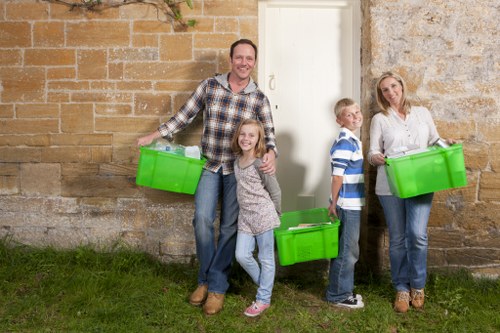
Cleaner living area free from rubbish junkIn the end, rubbish junk is more than a pile of unwanted things. It is a reflection of habits, space, emotion, consumption, and disposal. It can clutter a room, burden a family, affect safety, and shape how a property feels and functions. But it can also be managed, reduced, and transformed through better awareness and stronger routines. By paying attention to rubbish junk in all its forms, people can make their surroundings cleaner, more usable, and easier to enjoy.


Services

service image

Waste Removal

If you need waste removal in Rubbish Junk, you probably want two things: a team that turns up when expected, and a service that makes the whole job feel easy.

service image

White Goods Recycle

If you are trying to clear out an old fridge, freezer, washing machine, dishwasher, tumble dryer, or cooker, you need a service that understands both

service image

Waste Disposal

Waste Disposal in Rubbish Junk helps local homes and businesses clear rubbish quickly, safely, and responsibly with easy collections, flexible support, and local know-how.

service image

Waste Recycling

If you are looking for a practical, local solution for waste recycling in Rubbish Junk, you are probably dealing with a familiar problem: piles of unwanted items, mixed materials, and the question of

service image

Sofa Removal and Collection

If you need Sofa Removal and Collection in Rubbish Junk, you probably want the job done quickly, neatly, and without the stress of trying to move a bulky sofa yourself.

service image

Trash Collection

Trash collection in Rubbish Junk is about more than just taking bags away. It is about making day-to-day life easier for households, landlords, shop owners, builders, and anyone dealing with

service image

Waste Clearance

Waste clearance in Rubbish Junk for homes, flats, shops, and offices. Local, practical help with bulky items, access challenges, and fast quotes.

service image

Waste Collection

If you are looking for Waste Collection in Rubbish Junk, you probably want a service that is quick, practical, and easy to arrange without turning yo

service image

Recycling and Rubbish

If you are looking for Recycling and Rubbish in Rubbish Junk, you are probably dealing with a familiar local problem: too much waste, not enough time, and a need

service image

Rubbish Clearance

Rubbish clearance in Rubbish Junk made simple for homes and businesses, with local support for bulky items, garden waste, office clear-outs, and practical removal

service image

Rubbish Collection

If you are looking for dependable rubbish collection in Rubbish Junk, you are probably dealing with the same kind of problem many local households and businesses face

service image

Rubbish Removal

If you need rubbish removal in Rubbish Junk, you are likely looking for a fast, practical way to clear unwanted waste without turning your day upside down.

service image

Sofa Removal

If you need sofa removal in Rubbish Junk, you are probably dealing with one of those jobs that looks simple at first and then turns into a headache.

service image

Office Clearance

If you are planning an office clearance in Rubbish Junk, you may already know that it is rarely as simple as “take everything away.” Offices build up a su

service image

Office Clearances

Office clearances in Rubbish Junk for local businesses, landlords, and property managers needing fast, tidy, practical support with office furniture, rubbish, and end-of-

service image

Probate Clearance

Probate clearance in Rubbish Junk made simple: respectful local estate clearance for homes, flats, garages, and commercial premises.

service image

Probate House Clearance

Probate House Clearance in Rubbish Junk is a respectful, local service for clearing homes after bereavement, with support for family members, executors, and property prep.

service image

Property Clearance

Property Clearance in Rubbish Junk helps local homes and businesses clear unwanted items, bulky waste, and mixed contents with practical, reliable support.

service image

Large Item Collection

Large Item Collection in Rubbish Junk made simple for homes and businesses, with local access help, bulky item removal, and practical booking details.

service image

Litter Clearance

If you need Litter Clearance in Rubbish Junk, you are likely dealing with more than just a few stray items. Litter builds up quickly around homes, flats, shops, offices, yards,

service image

Loft Clearance

Loft clearance in Rubbish Junk for homes and businesses, with practical help for awkward access, pricing factors, preparation, and booking a local service.

service image

Mattress Disposal

If you need mattress disposal in Rubbish Junk, you are probably looking for a service that is simple, prompt, and suited to the realities of local homes and businesses.

service image

Mattress Removal and Collection

Mattress removal and collection in Rubbish Junk for homes, landlords, and businesses—fast, local, practical, and built around real access needs.

service image

Hoarder Clearance

Hoarder clearance in Rubbish Junk is a respectful, practical local service for homes and businesses dealing with heavy clutter, access challenges, and the need for a clear plan.

service image

Home Clearance

Home clearance in Rubbish Junk is the practical, stress-reducing way to clear unwanted items from houses, flats, terraces, bungalows, rented homes, and mixed-use properties.

service image

House Clearance

If you need house clearance in Rubbish Junk, you’re probably looking for a service that is fast, respectful, and straightforward from the first enquiry to the final sweep-up.

service image

House Clearances

If you are looking for house clearances in Rubbish Junk, you may be dealing with a property that feels overwhelming, time-sensitive, or simply too much to tackle alone.

service image

Junk Clearance

Need junk clearance in Rubbish Junk? This local service page explains what’s included, how it works, pricing factors, areas covered, and how to book.

service image

Furniture Removal and Collection

Need furniture removed in Rubbish Junk? This local service page explains collections for homes, flats, offices, and businesses, with practical details and booking help.

service image

Garage Clearance

If your garage has become the place where old furniture, broken tools, leftover paint tins, forgotten boxes, and bulky waste all seem to gather, you are not alone. Many local homes and bu

service image

Garbage Collection

If you need reliable garbage collection in Rubbish Junk, you are probably looking for a service that is quick, tidy, and easy to arrange without hassle.

service image

Garden Clearance

If you need garden clearance in Rubbish Junk, you are likely dealing with a space that has got out of hand: overgrown beds, broken fence panels, storm debris,

service image

Garden Waste Clearance

Fast, reliable garden waste clearance in Rubbish Junk for homes, landlords, and businesses. Clear green waste, branches, soil, and more with local help.

service image

Council Waste Collection

Council Waste Collection in Rubbish Junk offers practical local rubbish removal for homes and businesses, including bulky items, clear-outs, and access-challenged

service image

Flat Clearance

If you need flat clearance in Rubbish Junk, you probably want the job handled quickly, respectfully, and with as little disruption as possible.

service image

Fridge Disposal

When an old refrigerator stops working, takes up valuable space, or becomes too expensive to repair, you need a safe and simple way to get it removed.

service image

Furniture Clearance

If you need furniture clearance in Rubbish Junk, you’re probably looking for a fast, practical way to remove bulky items without the stress of lifting, sorting, or hiring a vehi

service image

Furniture Disposal

If you need furniture disposal in Rubbish Junk, you probably want the job done quickly, carefully, and without the stress of lifting heavy items, arranging transport, or figuring out

service image

Business Waste Removal

Business Waste Removal in Rubbish Junk for offices, shops, warehouses, and local commercial premises. Flexible collections, clear quotes, and practical support.

service image

Commercial Waste Collection

Commercial waste collection in Rubbish Junk for local businesses, offices, shops, hospitality venues, and property managers. Flexible, practical, and tailored.

service image

Commercial Waste Disposal

Commercial Waste Disposal in Rubbish Junk for local businesses, offices, shops, cafés, warehouses, and commercial clear-outs with flexible collection options.

service image

Council Large Item Collection

If you need Council Large Item Collection in Rubbish Junk, you are probably dealing with one of those awkward jobs that is too bulky for the bin,...

service image

Council Rubbish Collection

If you are trying to clear unwanted items quickly and responsibly, Council Rubbish Collection in Rubbish Junk is often the first thing people look for.

service image

Bed Disposal

Getting rid of an old bed sounds simple until you are faced with the practical side of it: lifting a heavy frame, separating awkward parts, moving a bulky mattress through narrow hallways, and fin

service image

Builders Waste Clearance

When a renovation, refurbishment, or building project reaches the messy stage, the last thing you want is piles of rubble, timber offcuts, broken plasterboard

service image

Bulk Waste Collection

Bulk Waste Collection in Rubbish Junk offers a practical, local solution for bulky items, property clear-outs, and business waste removal with easy booking and local know-how.

service image

Bulky Waste Collection

If you need bulky waste collection in Rubbish Junk, you’re probably dealing with items that are too large, too awkward, or simply too much for the usual bin round.

Frequently Asked Questions

Rubbish junk removal is the safe collection, sorting, and disposal of unwanted household, garden, office, or bulky waste. A trusted team will assess the load, use the right equipment, and follow legal disposal rules so items are removed without damage or risk. The best services are licensed, insured, and transparent about what they can take. If you want a safe, affordable option with a proven track record, contact our team for a quick quote.

Professional rubbish junk removal teams usually use sack trucks, trolleys, lifting straps, protective gloves, and purpose-built removal vehicles to move waste safely. For larger jobs, they may use skips, loaders, or manual team lifts to reduce risk and speed up clearance. These methods help prevent injury, property damage, and unnecessary mess. A reliable service will explain the process clearly before starting. Contact our team for a quick quote if you need a fast, safe clearance.

Look for a service with clear pricing, strong customer reviews, proper licensing, and insurance. The best affordable rubbish junk removal companies will give upfront quotes, explain what is included, and avoid hidden charges. Experience matters too, because a team with years of service is more likely to work efficiently and safely. Ask how they handle recycling and disposal. For a trusted local option, contact our team for a quick quote.

A trusted rubbish junk company should hold relevant accreditations from recognised industry bodies that support safe, legal, and ethical waste management. These accreditations help show the team follows professional standards and proper disposal practices. When comparing providers, ask which memberships or certifications they hold and whether they can explain what those credentials mean. A reputable company will be open about its standards. Contact our team for a quick quote and speak with a licensed professional.

Ask for proof that the company is licensed to carry waste and can dispose of it through approved channels. Legal compliance also means the team should provide clear paperwork where needed and follow local regulations. A trustworthy service will not hesitate to confirm its credentials or insurance. This protects you from illegal dumping and unexpected liability. If you want a compliant, transparent service with a proven track record, contact our team for a quick quote.

Yes, a professional rubbish junk removal service should carry suitable insurance to protect both the customer and the workers. Insurance matters because it helps cover accidental damage, injury, or issues that may happen during clearance. A reputable company will be happy to confirm this before work starts. This is one of the easiest ways to judge trust and professionalism. For a safe, insured, and affordable service, contact our team for a quick quote.

Rubbish junk removal costs depend on the volume of waste, the type of items, access to the property, labour needed, and disposal fees. The best services provide transparent, upfront pricing so you know what to expect before booking. Be cautious of quotes that seem unusually cheap, as they may hide extra charges or skip proper disposal. A trusted company will keep pricing fair and clear. Contact our team for a quick quote today.

Responsible rubbish junk removal teams aim to reduce landfill by sorting items for reuse, recycling, and proper treatment. Many reputable companies can recycle a significant portion of collected waste depending on what is removed and local facilities available. They should also follow ethical disposal practices and avoid fly-tipping. Ask how your waste will be handled and whether recyclables are separated. For an eco-conscious, trusted service with proven experience, contact our team for a quick quote.

Yes, most professional rubbish junk removal teams can handle bulky furniture, white goods, garden waste, and office clearances. They use the right equipment and team lifting methods to remove items safely without causing damage. A reliable provider will tell you in advance what is accepted and whether special disposal rules apply. If you need a fast, licensed, and affordable clearance near me, contact our team for a quick quote.

A trustworthy rubbish junk removal company is licensed, insured, transparent on price, and backed by positive customer feedback. Years of service and a proven track record also matter because they show the team has handled many jobs safely and professionally. Good companies explain the process clearly, avoid hidden fees, and respect your property. Look for ethical disposal and strong communication. If that sounds like what you need, contact our team for a quick quote.

Many trusted rubbish junk removal services can offer same-day or next-day bookings, depending on availability and the size of the job. The best teams make booking simple, give honest timeframes, and arrive with the right equipment to finish efficiently. Speed should never come at the cost of safety or proper disposal. If you want a licensed, affordable service with a strong reputation, contact our team for a quick quote.

Before booking, ask if the company is licensed, insured, and experienced with your type of waste. Find out how they price jobs, what equipment they use, and whether recycling is included in their process. You should also ask about accreditations, disposal methods, and any items they cannot take. A good provider will answer clearly and confidently, because transparency builds trust. For a quick, no-obligation price from a proven team, contact our team for a quick quote.
Rubbish Junk

An informative look at rubbish junk, its causes, types, effects, and how it shapes homes, communities, and cleaner living.

Get In Touch With Us.

Please fill out the form below to send us an email and we will get back to you as soon as possible.