Furniture Disposal in Rubbish Junk
If you need furniture disposal in Rubbish Junk, you probably want the job done quickly, carefully, and without the stress of lifting heavy items, arranging transport, or figuring out where everything can go. That is exactly where a local furniture removal service can make a real difference. Whether you are clearing a flat, updating a family home, handling an office refresh, or emptying a rental property, the right team helps you remove unwanted furniture with less disruption and more peace of mind.
From bulky wardrobes and mattresses to desks, sofas, dining tables, and office chairs, unwanted furniture can take up valuable space long after it has stopped being useful. In many homes and commercial premises, old items become a problem because they are awkward to move, too large for a standard car, and often unsuitable for ordinary household collections. A local service for furniture disposal in Rubbish Junk gives you a practical way to clear those items without turning the task into a weekend project.
Rubbish Junk customers often need a service that fits real-life conditions: tight stairwells, limited parking, shared entrances, apartment blocks, narrow driveways, and busy commercial schedules. This page explains what the service includes, how it works, what can affect the cost, and why choosing a local team is often the simplest option when you want furniture removed responsibly and efficiently.
Why Furniture Disposal Matters for Local Homes and Businesses
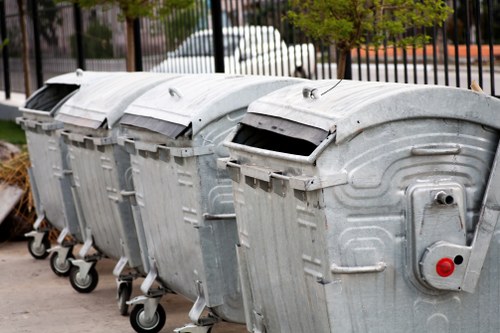
Furniture disposal is about more than just making a room look tidier. Old furniture can block access, make cleaning harder, reduce usable space, and create an unsafe environment if it is left in hallways, garages, storage rooms, or commercial back areas. In homes, unwanted items can crowd living rooms, spare bedrooms, loft spaces, and garden sheds. In workplaces, outdated office furniture can limit productivity and make it difficult to reorganise a space for new staff, equipment, or layouts.
For many customers, the biggest challenge is not deciding what to remove, but how to get it out. Sofas may be too large for doorways, beds can be awkward to dismantle, and wardrobes often need careful handling to avoid damage to walls, floors, and banisters. A professional furniture disposal service in Rubbish Junk is useful because it removes that burden from the customer and replaces it with a clear, straightforward process.
There is also the question of responsible disposal. Many customers want to know that their unwanted furniture will be handled properly, with items assessed for reuse, recycling, or disposal where appropriate. That is especially important for mixed loads from offices, landlords, property managers, retail spaces, and multi-unit buildings where large volumes of furniture may need to be cleared in one visit.
What Furniture Disposal in Rubbish Junk Can Include
Every property is different, so a useful furniture removal service needs to be flexible. Depending on what you have to clear, the job may include a single heavy item or a full property load. Customers often arrange collection for items that are too awkward, too large, or simply no longer wanted after a move, refurbishment, or change in use.
Common items removed
- Sofas, armchairs, recliners, and sofa beds
- Beds, mattresses, headboards, and bed frames
- Wardrobes, chests of drawers, and bedside cabinets
- Dining tables, coffee tables, and side tables
- Office desks, workstations, filing cabinets, and meeting tables
- Office chairs, reception seating, and breakroom furniture
- Bookcases, shelving units, display cabinets, and storage units
- Garden furniture and outdoor seating where suitable
Some pieces can be carried away as they are, while others may need to be dismantled first. A good local team will assess the access, the item size, and the safest way to move everything without causing unnecessary disruption. If your furniture has been placed in a loft, basement, top-floor flat, or shared commercial space, it helps to have removers who understand the practical limits of the property.
Many local customers also use the service when preparing for a new sofa delivery, re-fitting a room, or replacing a full office furniture set. Instead of leaving old items stacked in a corner, it is easier to arrange collection and free up space for the next stage of the project.
How the Service Works

The process for furniture disposal in Rubbish Junk is usually designed to be simple and efficient. Most customers want a service that is easy to arrange, clear on what happens next, and flexible enough to deal with real access issues on the day. A local furniture removal team typically follows a straightforward sequence from the first enquiry to final clearance.
Typical steps
- Tell us what needs removing - share the type of furniture, the number of items, and any access details.
- Receive a quote - pricing is usually based on the volume, weight, labour involved, and disposal considerations.
- Schedule a collection - choose a time that works for your home, rental property, office, or business premises.
- Clear access where possible - move smaller items aside if needed and make sure the route is safe.
- Furniture is removed - the team handles lifting, loading, and cleanup of the immediate area.
This approach is particularly helpful for customers who do not want to organise a van, borrow tools, or recruit friends and family to lift heavy items. It also reduces the risk of injury and damage, especially when large items need to be moved down stairs, around corners, or through narrow hallways.
For landlords, facilities managers, and busy homeowners, this kind of service can save time at a moment when there is already plenty to manage. If you are trying to meet a move-out deadline, complete an end-of-tenancy refresh, or prepare a commercial unit for new tenants, a reliable removal team keeps the project moving.
Local Relevance: Why Rubbish Junk Customers Benefit from a Nearby Team
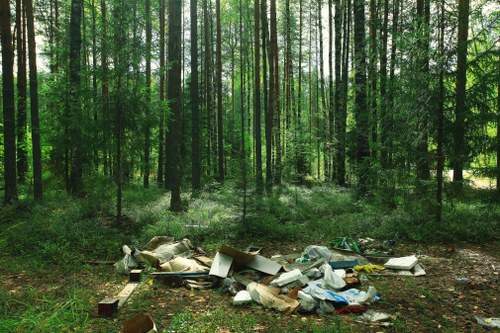
Choosing a local furniture disposal service in Rubbish Junk means you are more likely to work with a team that understands local property types and access conditions. That matters when the job involves older terraces, modern apartments, converted buildings, office suites, retail units, mixed-use premises, or homes with limited off-street parking. A local crew is often better prepared for the practical realities that can slow down a less experienced operator.
Access and parking challenges local teams can handle
- Shared driveways and limited loading space
- Permit-controlled streets or restricted parking windows
- Upper-floor flats with narrow staircases
- Lift access that may be small, busy, or unavailable at certain times
- Basements, lofts, and storage rooms with difficult entry points
- Commercial sites with busy customer traffic or restricted service areas
These conditions are common across many local areas, especially where residential streets sit close to business districts, transport links, and mixed housing. A local team can usually plan better for those details because they deal with them regularly. That means fewer surprises on the day and a smoother collection from start to finish.
It is also useful when you need a same-day or short-notice booking. While availability depends on workload and route planning, local furniture disposal teams are generally easier to schedule when you need a quick response for a move, refurbishment, or emergency clearance.
What Makes a Good Furniture Disposal Service?

When you are comparing options for furniture disposal in Rubbish Junk, it helps to focus on practical service qualities rather than just speed alone. The best choice is usually the one that offers a good balance of reliability, careful handling, clear communication, and proper disposal practices.
Look for these service qualities
- Clear quoting - you should know what affects the price before booking.
- Flexible collection options - one item, multiple items, or full-room clearance.
- Experienced lifting and loading - important for bulky or fragile pieces.
- Attention to property care - walls, floors, and corners should be protected where possible.
- Responsible disposal - items should be handled with recycling and reuse in mind where appropriate.
- Good local knowledge - this helps with access, parking, and timing.
Customers often ask whether a service can handle just one sofa or one wardrobe. In many cases, yes. Smaller jobs are often just as important as full clearances, especially when a room cannot be used until one large item is removed. A strong local service treats these jobs with the same professionalism as larger projects.
It is also worth asking what preparation is needed before collection so you can avoid delays and make the visit as efficient as possible.
Residential Furniture Disposal for Local Households
Homeowners, tenants, and shared-house residents often use furniture disposal when they need to change the layout of a room, clear out damaged items, or make space for something new. In family homes, furniture tends to accumulate over time, which means garages, spare rooms, and lofts can quietly fill with things that are no longer used. A practical collection service helps you reclaim that space without having to organise transport yourself.
Residential customers commonly book removals after a move, during a renovation, before new furniture delivery, or after a bereavement when a property needs to be cleared carefully. In these situations, a considerate, organised approach matters. The team needs to work around personal belongings, protect the property, and remove items in a way that is efficient but not rushed.
Furniture disposal in Rubbish Junk is also useful when an item has become difficult to donate or pass on due to its condition, size, or age. Some items may be too worn, stained, broken, or outdated for reuse, and keeping them stored at home only delays the task. A collection service gives you a direct route to clearing that clutter.
Examples of residential situations
- Replacing old bedroom furniture during a refurbishment
- Clearing a rented flat before the end of a tenancy
- Removing a sofa that no longer fits the room layout
- Emptying a loft, garage, or garden room
- Preparing a home for sale or photography
Commercial Furniture Disposal for Offices and Local Businesses
Businesses often need furniture removed for reasons that are time-sensitive and operationally important. Office relocations, workspace redesigns, end-of-lease clearances, and equipment upgrades can all leave behind bulky desks, chairs, tables, shelving, and reception furniture that needs to go quickly. For commercial customers, time on site matters, and the removal process needs to be efficient and respectful of the business environment.
Office furniture disposal is especially helpful when you need to minimise disruption to staff, customers, or building occupants. A good local team can work around business hours where possible, manage loading from designated points, and keep the clearance process organised. That is useful in offices, clinics, shops, hospitality venues, storage facilities, and managed premises where access may be shared.
Commercial properties also bring different challenges from residential homes. There may be fire routes, building rules, security checks, lift bookings, loading bay restrictions, or required timing windows. Local experience helps because the crew can adapt to those site conditions more smoothly.
Common commercial reasons for booking
- Office refits and workspace changes
- Clearing old desks and seating after downsizing
- Removing outdated meeting room furniture
- Emptying storage areas or back offices
- Preparing a unit for handover or new occupancy
Preparation Checklist Before Collection
A little preparation can make furniture disposal quicker and smoother. You do not need to do everything yourself, but a few simple steps can help the team work safely and efficiently once they arrive. This is especially useful if your property has limited access or you are trying to fit the collection into a tight schedule.
- Identify exactly which furniture items are going.
- Remove personal belongings, paperwork, and valuables from drawers and shelves.
- Check whether large items need to be emptied, dismantled, or disconnected.
- Make a clear route to the items where possible.
- Reserve parking or loading space if your property requires it.
- Tell the team about stairs, lifts, locked gates, or access codes in advance.
If you are disposing of a full room of furniture, it can help to label what stays and what goes. That reduces confusion and keeps the clearance focused. For multi-storey homes and offices, it also helps to identify any fragile fixtures, freshly painted walls, or narrow points that require extra care.
In many cases, the furniture disposal team can manage the heavy lifting, but the more organised the space is beforehand, the faster the job tends to run. That is useful when you have movers arriving later in the day, contractors coming to start work, or tenants expecting handover shortly afterwards.
What Can Affect the Price?
Customers often want to know what influences the cost of furniture disposal in Rubbish Junk. While exact prices vary by job, the main factors are usually straightforward and based on the amount of work involved. A sensible quote should take into account the size of the load, the labour required, the access conditions, and how the furniture needs to be handled.
- Volume of furniture - a single item is different from a full property load.
- Weight and bulk - heavy wardrobes, solid wood pieces, and large sofas may take more effort.
- Access conditions - stairs, narrow hallways, and long carry distances can affect labour time.
- Dismantling needs - items that must be taken apart may require additional work.
- Loading difficulty - awkward shapes or fragile items can take longer to move safely.
- Type of premises - homes, offices, and managed buildings may each have different access rules.
Request a free quote if you want a clearer idea of what your job involves. Giving accurate information at the start usually leads to a better estimate and helps avoid delays on the day.
It is also helpful to mention whether the furniture is located indoors, in a garden, in a loft, or in storage. That kind of detail may seem small, but it can make a noticeable difference to planning and timing.
Why Choose a Local Company for Furniture Disposal in Rubbish Junk?
Working with a local company offers practical advantages that customers feel immediately. You are more likely to get a service that understands the local area, values punctuality, and can respond quickly when the need is urgent. That is especially important if you are fitting the disposal around work, family commitments, or property deadlines.
A local team can also be better at handling the real-world details that make furniture disposal easier or harder. They know that a straightforward job can become complicated if parking is tight, access is restricted, or an item will not fit through a doorway without being dismantled. Local knowledge helps the crew arrive prepared.
Another reason to choose local is the personal connection to the community. Customers often prefer to work with a team that serves nearby residential streets, commercial districts, and surrounding neighbourhoods regularly. It gives confidence that the job will be treated as a real service, not just a quick pickup.
Nearby areas and property types served
Furniture disposal in Rubbish Junk is often requested by customers across surrounding neighbourhoods, including nearby residential streets, apartment complexes, townhouses, office parks, retail premises, and mixed-use buildings. The exact route and service area may vary, but local coverage typically includes properties where access and parking need to be considered carefully.
That local reach is valuable for people moving between rental homes, landlords managing multiple properties, and businesses that need consistent support across different sites. If you are unsure whether your location is covered, the simplest approach is to request a quote and share your address details along with a description of the items.
Responsible Handling and Disposal
Many customers want more than just removal; they want furniture taken away in a sensible and responsible way. Depending on condition, some items may be suitable for reuse or recovery, while others need to be broken down and disposed of appropriately. A professional service should aim to manage the load in a way that reduces waste where possible and keeps the process organised from start to finish.
Responsibility also applies to the way the work is carried out. Careful lifting, route planning, and correct loading all help prevent damage and reduce unnecessary disruption. This is important in homes where floors and walls may be vulnerable, and in commercial spaces where operations must continue around the collection.
If you have mixed items, such as furniture combined with general junk, packaging, or renovation waste, let the team know in advance. That allows them to plan the job properly and makes it easier to separate different categories of material where needed.
FAQs About Furniture Disposal in Rubbish Junk
Can you remove just one item?
Yes, many customers book furniture disposal for a single item such as a sofa, mattress, wardrobe, or desk. Small jobs are common, especially when one bulky piece is blocking a room or hallway.
Do I need to move the furniture outside first?
Not necessarily. In many cases, the team can remove items from inside the property, provided there is safe access. If the furniture is already outside, in a garage, or in a loading area, that can sometimes make the job quicker.
Can large items be dismantled?
Often, yes. Some furniture may need to be taken apart to fit through doors, stairwells, or lifts. It is useful to mention this when booking so the team can plan the job correctly.
What if my building has limited parking?
That is common in many local areas. Share the parking situation when you enquire, and the team can plan around loading restrictions, access points, or timing windows where possible.
Do you handle office furniture disposal?
Yes, commercial and office clearances are a big part of furniture removal work. Desks, chairs, tables, cabinets, and other workspace items are frequently collected from businesses and managed properties.
How should I prepare for collection day?
Clear personal items from the furniture, identify any items that are not being removed, and make access as open as you can. If there are stairs, gates, security steps, or lift restrictions, let the team know in advance.
Can you help with end-of-tenancy clearances?
Yes, furniture disposal is often arranged as part of a tenancy handover, especially when a landlord, tenant, or letting agent needs the property emptied promptly.
If you have a question that is not covered here, contact us today to discuss your items and arrange the next step.
When to Book Furniture Disposal
There is rarely a perfect time to deal with bulky furniture, which is why many customers wait longer than they should. The best time to book is usually as soon as you know the item needs to go. That may be before a move, after new furniture is ordered, at the start of a renovation, or when a business is reorganising a work area.
Booking early helps you fit the service into your schedule and gives the team time to understand any access issues. If your situation is time-sensitive, a local service may be able to offer a faster response depending on availability. Even if the job is not urgent, arranging it in advance removes a big task from your list.
Book your service now if you want to clear space without the hassle of lifting, loading, or hiring a vehicle yourself. A simple enquiry is often the quickest way to get the process started.
Making the Process Easy for Customers
A good furniture disposal service should make the experience feel straightforward from the first conversation to the final removal. That means clear communication, punctual arrival, careful handling, and a practical approach to the realities of local properties. Customers do not want a complicated process; they want a service that simply gets the job done well.
Whether you are clearing a single sofa from a first-floor flat, removing several office desks from a commercial unit, or emptying a full house before sale, the same principles apply: know what needs to go, understand the access, and choose a service that can manage the heavy lifting responsibly. With the right support, furniture disposal becomes one less thing to worry about.
For local homeowners, landlords, tenants, offices, and shops, furniture disposal in Rubbish Junk is often the fastest route to getting space back and moving on with the next stage of the property or business project. If you are ready to clear old items safely and efficiently, request a free quote and take the first step toward a tidier, more usable space.