020 3795 6999
 020 3795 6999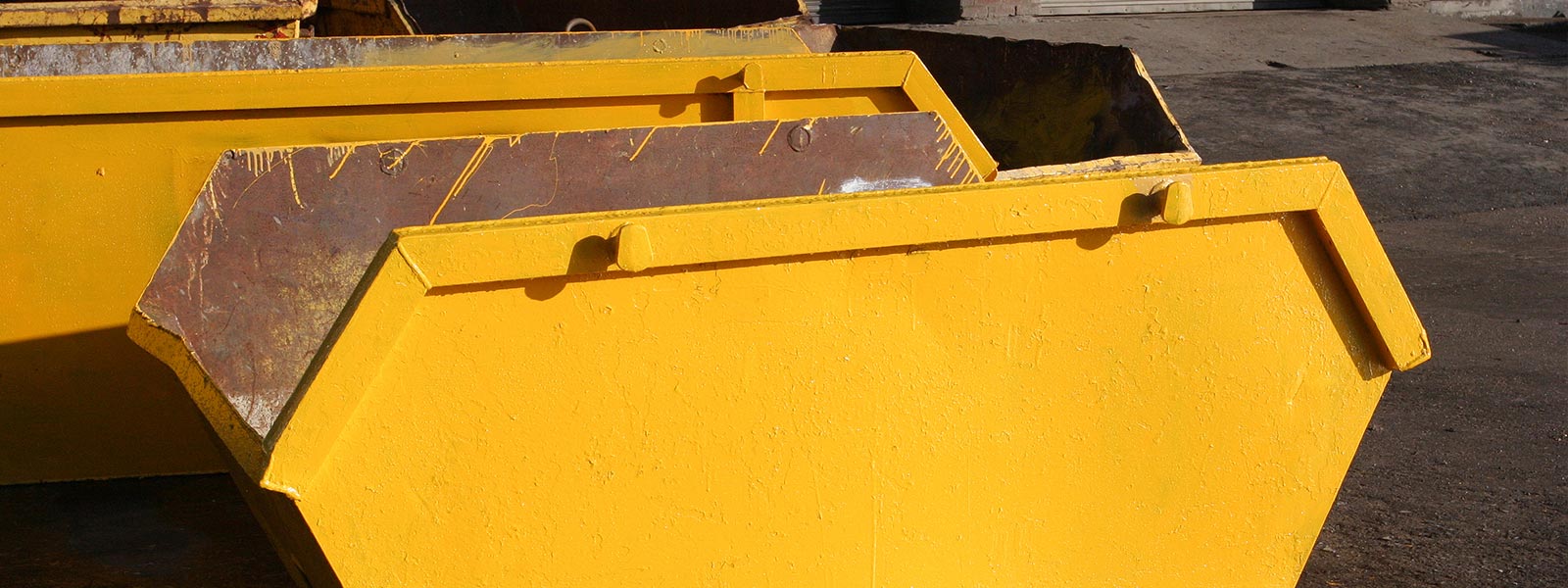




Step by step guide to disposing bulky waste safely across the UK
Posted on 14/08/2026

Step by Step Guide to Disposing Bulky Waste Safely Across the UK
If you've ever looked at an old sofa, a broken wardrobe, or a mattress leaning against the wall and thought, where on earth do I start?, you're not alone. A step by step guide to disposing bulky waste safely across the UK is useful because large items are awkward, heavy, and easy to mishandle. They can damage floors, injure backs, block hallways, and create real headaches if you don't plan properly.
This guide walks you through the practical route: how to sort bulky waste, protect yourself, choose the right disposal method, and stay on the right side of UK best practice. Whether you're clearing a single item from a flat in London or tackling a full garage load in a suburban driveway, the same principles apply. Let's keep it simple, safe, and realistic.
Why Step by Step Guide to Disposing Bulky Waste Safely Across the UK Matters
Bulky waste sounds straightforward until you are actually moving it. Large furniture, broken appliances, garden sets, carpet rolls, and dismantled storage units are heavy, awkward, and often a bit filthy too. One wrong lift and you can strain your back. One careless drag and you can scratch walls or leave a stairwell looking like it lost a fight.
Safe disposal matters for three reasons. First, it protects people. Second, it keeps reusable or recyclable materials out of general waste unnecessarily. Third, it helps you avoid the common mess of putting items out too early, breaking local rules, or leaving waste dumped where it does not belong. In our experience, the fastest jobs are the ones that are planned properly from the start.
There is also a practical side. A good disposal plan saves time, reduces wasted trips, and helps you decide whether to use council collections, a skip, a private rubbish collection, or a full property clearance. If the job has grown beyond a couple of items, it may also be worth reading about house clearance support or a more flexible rubbish collection service.
And honestly, bulky waste has a habit of multiplying. One broken bed frame becomes an old chest of drawers, then a tired sofa, and suddenly the spare room looks like a storage unit. Been there. Not glamorous.
How Step by Step Guide to Disposing Bulky Waste Safely Across the UK Works
Bulky waste disposal usually follows the same broad pattern across the UK, though local council arrangements and private service options vary. The job begins by identifying what you have, then separating what can be reused, recycled, donated, or disposed of as general bulky waste.
For many households, the process involves one of these routes:
- a council bulky waste collection
- a hired skip for larger mixed loads
- a man-and-van style rubbish collection
- a full house or office clearance for bigger projects
- a trip to a local household waste recycling centre, if you can transport it safely
The right method depends on volume, access, urgency, and item type. A single sofa may be simple. A full room of furniture is different. A load that includes electricals, mattresses, or old paint tins is different again. That is why a step-by-step approach works well: it stops you making decisions in a rush, which is usually where mistakes creep in.
There is also a sustainability angle. Some bulky items can be broken down for material recovery, while others need careful handling because of upholstery, foam, metal springs, or treated wood. If you're trying to reduce landfill impact, it helps to understand environmentally safer routes such as those discussed in environmentally safe waste disposal methods.
Key Benefits and Practical Advantages
The benefits go beyond getting your floor space back. Safe, planned bulky waste disposal tends to make the whole process calmer and cheaper in the long run.
- Lower injury risk: proper lifting, moving, and dismantling reduce strain and accidents.
- Less property damage: doors, stair rails, walls, and flooring stay in better shape.
- Cleaner sorting: reusable and recyclable items are easier to separate.
- Better cost control: you can match the disposal method to the load instead of overpaying.
- Faster clearing: a planned approach avoids endless back-and-forth.
- Less stress: a room that once felt impossible starts to feel manageable.
There's a psychological benefit too. Clearing a big item often changes the feel of a room more than people expect. That old sofa in the hallway? It's not just taking up space, it's taking up attention. Once it's gone, the room often breathes a bit easier. It sounds odd, but you notice it instantly.
For people clearing a full property, bulky waste removal also creates momentum. One item gone usually leads to the next. If clutter has become overwhelming, the process is often easier when paired with a structured declutter plan such as decluttering and minimalism tips or a more detailed look at clutter removal and hoarder clean-up.
Who This Is For and When It Makes Sense
This guide is for anyone who needs to move and dispose of large household or commercial items without making a mess of it. That includes tenants, homeowners, landlords, letting agents, business owners, and people helping relatives clear a property.
It makes sense when you have:
- old sofas, armchairs, wardrobes, beds, tables, or cabinets
- broken appliances such as washing machines, tumble dryers, or fridges
- garden furniture, sheds, fencing, or outdoor storage
- office desks, chairs, filing cabinets, or reception furniture
- mixed waste from a renovation or major tidy-up
It's also useful if you're downsizing, preparing for a move, or dealing with an inherited property where the contents need sorting fast but carefully. In those situations, bulky waste is rarely just about disposal. It's about making decisions quickly without wasting good items.
A smaller job can sometimes be handled by your own vehicle or a council collection, but once access gets awkward or weight becomes a concern, a professional route can be the safer call. If you're unsure, you're not being cautious for nothing. You're being sensible.
Step-by-Step Guidance
Here's the practical bit. If you want a clean and safe result, work through the process in order rather than jumping straight to loading items out of the front door.
1. Identify exactly what needs to go
Walk through the property and make a list. Separate bulky waste into categories: furniture, appliances, garden items, mixed household waste, and anything that might be reusable. This sounds basic, but it prevents confusion later. A broken wardrobe and a reusable table should not be treated the same way.
2. Check for hazardous or special items
Some bulky objects are not ordinary waste. Old fridges may contain refrigerants; certain electricals have components that need separate handling; some furniture can hide sharp metal fittings, broken glass, or stained materials. If you suspect something is hazardous, keep it apart and handle it carefully. The subject is broader than most people think, which is why a general overview like hazardous waste basics is worth a look before you move anything questionable.
3. Measure access before you lift a thing
Check door widths, stair turns, lift dimensions, tight corners, and any low ceilings. That slightly battered wardrobe might fit out the bedroom, but not round the stairwell without turning. Don't discover that halfway down the stairs. A tape measure is boring, yes, but boring is good when the item is a heavy sofa.
4. Decide whether to dismantle
Large furniture often becomes safer and easier once broken into smaller parts. Remove cushions, doors, shelves, legs, and drawers first. Keep screws and fittings in a labelled bag so nothing disappears into the chaos. If you have bulky seating or large cabinets, the guidance in safe large furniture removal can help you plan the dismantling more calmly.
5. Protect yourself and the property
Wear sturdy shoes, gloves, and clothing that won't snag easily. Use blankets or old sheets to protect walls and floors. If you are moving items through a shared hallway or stairwell, be extra considerate. One chipped bannister can turn a tidy clear-out into an apology tour.
6. Choose the right disposal route
Now decide how the waste will leave the property. For small loads, a council bulky item collection or a local recycling option may be enough. For mid-sized jobs, a private rubbish collection can be more practical. For bigger projects, skip hire or house clearance may be the sensible route. If you're weighing that up, skip hire dos and don'ts and the purpose of a builder's skip are useful context pieces.
7. Load safely and logically
Place the heaviest items first and keep the load balanced. Do not pile sharp objects loosely on top of soft items. If you are loading a vehicle yourself, use straps or restraints where appropriate. Never overfill. It may feel efficient at the time, but it usually ends in a wobble, a scramble, or a mess on the road. Not ideal.
8. Separate reusable and recyclable parts
Metals, wood, textiles, electricals, and plastics can sometimes be separated to improve recovery. Mattress springs, metal table frames, and intact wooden furniture are often better handled apart from mixed rubbish. If you are trying to improve your recycling habits while clearing the house, home recycling tactics and better cardboard disposal can be helpful companions.
9. Confirm the final destination
Before anything leaves your property, know where it is going. Council collections, licensed waste carriers, and proper recycling routes all matter. You want an outcome that is safe, lawful, and traceable. If a provider cannot explain their disposal route in plain English, that is a warning sign. Simple as that.
10. Clear and clean the area
Once the bulky waste is gone, sweep, vacuum, and inspect the space. You will usually uncover small fixings, dust, or forgotten screws. This last step matters more than people think. It turns a removal job into a proper finish, rather than leaving behind a half-done feeling.
Expert Tips for Better Results
A few practical habits make bulky waste disposal much easier.
- Work from biggest to smallest: start with the load that takes up the most room, not the easiest item.
- Keep routes clear: remove rugs, pet bowls, and loose clutter from the path first.
- Use two people for awkward items: even if it looks manageable, bulky waste often shifts in the lift.
- Check weather if items are outside: rain makes cardboard, fabric, and some timber heavier and messier.
- Separate mixed materials early: it saves time later at the collection or recycling stage.
- Book early where possible: council slots and good collection windows can fill up fast.
A small but valuable trick: take a photo of the items before you start. It helps if you later need to explain the load to a collector, compare methods, or double-check that nothing valuable got mixed in by mistake. Handy, really.
If you are dealing with office furniture, do not underestimate the admin side. Desks, monitors, chairs, and filing cabinets can create hidden clutter in storage rooms and side offices. A focused guide like office clearance advice can save a lot of time.
Common Mistakes to Avoid
Most bulky waste problems come from rushing, guessing, or trying to do too much in one go. Here are the ones we see most often.
- Dragging items instead of lifting properly: this damages floors and strains your back.
- Ignoring access issues: if a sofa does not fit, forcing it is not a strategy.
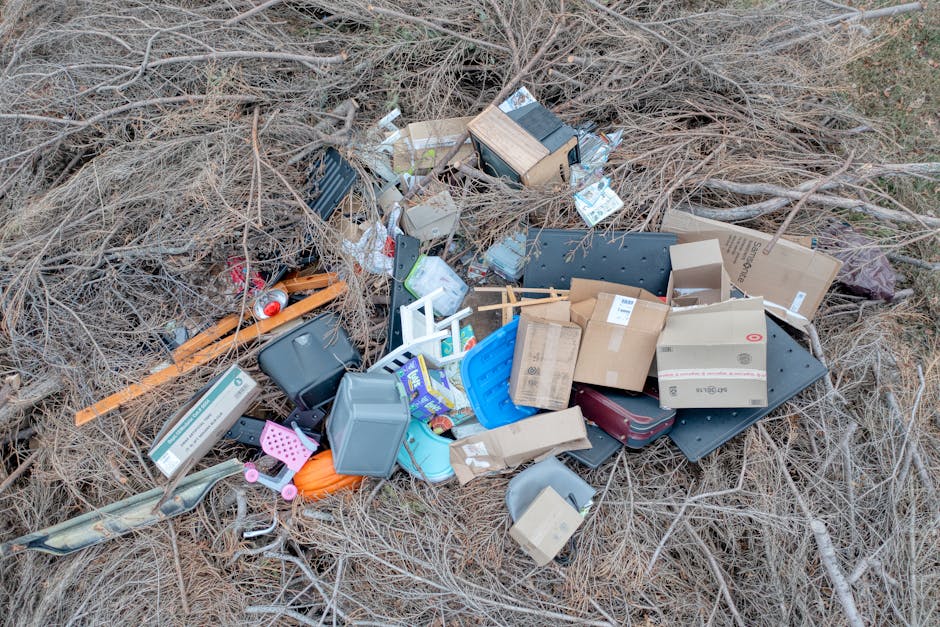
- Mixing hazardous waste with general bulky waste: this complicates disposal and can be unsafe.
- Choosing the wrong container size: too small means overflows, too large can mean wasted money.
- Leaving items on the kerb without checking rules: councils can be strict about timing and placement.
- Overpacking a vehicle: it looks clever until the first sharp turn.
- Forgetting to protect shared spaces: neighbours, landlords, and management companies all notice scratches.
Another common one is assuming all bulky waste is the same. It isn't. A clean wooden chair, a broken fridge, and a mattress need different handling. If you treat them all as one pile, you'll probably pay for it in time or hassle.
Tools, Resources and Recommendations
You do not need a van full of kit, but a few things make a big difference.
- Tape measure: for doors, stairwells, and awkward corners.
- Gloves: to protect from splinters, dust, and sharp edges.
- Sturdy footwear: non-negotiable for heavy lifting.
- Straps or ropes: useful for securing items in transit.
- Blankets and wraps: to protect furniture and walls.
- Screwdriver or basic tool kit: for dismantling furniture.
- Labels or marker pens: for keeping parts and fittings together.
For people trying to reduce waste while clearing a property, a few supporting articles can help you make better decisions about what stays and what goes. If you want to build better habits after the clear-out, see waste prevention at home, ongoing clutter control, and clutter control for peace of mind.
For a broader understanding of why professional collection services matter in everyday life, the piece on home waste collection and the environment is a useful read. It ties the practical and environmental sides together nicely.

Law, Compliance, Standards, or Best Practice
When disposing of bulky waste in the UK, the key thing is to use a lawful and responsible route. Councils, recycling centres, and licensed waste carriers all operate under rules designed to prevent fly-tipping and improper disposal. The specifics vary by location, so it is always sensible to check local guidance rather than assume every area works the same way.
From a best-practice point of view, you should always be able to answer three questions:
- Who is taking the waste?
- Where is it going?
- How is it being handled safely?
If you are hiring a contractor, ask whether they are licensed to carry waste and what happens to the load after collection. That is not being awkward. It is being careful. In the waste world, careful is good.
It is also worth noting that some items need special handling because of materials, contamination, or electrical components. Mattresses, fridges, and items with embedded metal or foam can require different treatment from plain household furniture. Best practice is to keep these separate where possible and avoid mixing them with ordinary rubbish.
If you are building a bigger disposal plan, the article on why waste clearance services are needed gives a useful overview of when professional help becomes the sensible choice.
Options, Methods, or Comparison Table
Choosing a disposal method is easier once you compare the trade-offs. The right option depends on how much you have, how fast it needs clearing, and whether you can move it safely.
| Method | Best for | Pros | Watch-outs |
|---|---|---|---|
| Council bulky waste collection | One to a few large items | Simple, familiar, often cost-effective | May have booking limits and item restrictions |
| Skip hire | Mixed loads or larger projects | Good capacity, flexible timing | Needs space, permits may apply, must be loaded carefully |
| Rubbish collection | Quick removal of bulky items | Fast, less lifting for you, convenient access | Price can vary by load size and item type |
| House clearance | Whole-room or whole-property clear-outs | Best for larger, stressful, or time-sensitive jobs | May feel like overkill for a single item |
| DIY trip to recycling centre | Smaller bulky items if you have transport | Direct control over sorting | Heavy lifting, transport, and waiting time can be awkward |
There is no universal winner here. Truth be told, the best option is the one that fits the job without making it harder than it needs to be.
Case Study or Real-World Example
A typical example: a couple in a London flat needs to clear an old sofa, a broken bed frame, and a wardrobe before a weekend move. The staircase is narrow, the lift is small, and there's no appetite for a DIY struggle at 7:30 on a wet Tuesday evening.
They start by listing the items, checking which parts can be dismantled, and measuring the hallway and stair turns. The wardrobe doors come off first. The bed frame is broken down into manageable sections. The sofa is left until last so the route is clear. One blanket is used to protect the wall at the stair corner. That small bit of planning means the whole job is finished without a scrape on the paintwork.
Because the load is mixed and access is tight, they choose a rubbish collection rather than trying to cram everything into their car. The result is simple: fewer lifts, no stress about disposal, and the flat is ready for the handover. A small job on paper, but a huge relief in real life.
That kind of scenario is exactly why a methodical approach matters. It is not about being fussy. It is about keeping the day calm enough to finish well.
Practical Checklist
Use this checklist before you move a single item.
- Identify every bulky item that needs removing.
- Separate reusable, recyclable, and disposable items.
- Check for hazardous or electrical components.
- Measure doors, stairs, lifts, and turning points.
- Decide whether dismantling is needed.
- Wear gloves, sturdy shoes, and suitable clothing.
- Protect walls, floors, and shared access areas.
- Choose the disposal route before loading begins.
- Confirm collection times or access arrangements.
- Keep screws, brackets, and fittings together.
- Clear and clean the area after removal.
Expert summary: The safest bulky waste disposal jobs are the ones where the item is identified, the route is planned, the right method is chosen, and the final collection is properly arranged. Simple steps, done in order, beat rushed lifting every time.
Get a free quote today and see how much you can save.
Conclusion
Disposing bulky waste safely across the UK does not need to be complicated, but it does need a bit of structure. Start by identifying what you have, check for special or hazardous items, measure the access, choose the right method, and move everything with care. That approach protects you, protects the property, and usually saves time too.
If you only remember one thing, let it be this: do not rush the lifting before you have sorted the plan. The plan is the boring bit that makes the whole job easier. And honestly, that is usually the bit worth doing properly.
Whether you are clearing one old armchair or a whole roomful of furniture, a steady approach turns a daunting task into something manageable. One step at a time. That's the trick.
 House clearance
 Rubbish collection
 Here at Rubbish Junk we give you the unique opportunity to keep your home free of clutter at prices that will constantly please you. Other domestic clearance companies in London might be...
 Rubbish Junk knows what to do to keep your home rubbish-free. When you are facing a situation that requires clearance services,...